A practical guide to making decluttering decisions easier for Santa Clarita and San Fernando Valley families
Picture this: It's a beautiful spring morning. You're motivated, you've got coffee in hand, and you're finally tackling that overflowing closet. You pull everything out, determined to declutter.
But now you're sitting on your bedroom floor, surrounded by mountains of clothes, and you're completely stuck. Should you keep the jeans that don't quite fit? What about that dress from your cousin's wedding? The shirt you haven't worn in two years but spent good money on? Sound familiar?
Decluttering feels hard because every item requires a decision, and decision-making is exhausting—especially when money, memories, or "what ifs" are involved. You spent hard-earned money on that sweater. You wore that outfit to an important event. You're hoping to fit back into those pants someday.
But here's what all that "maybe someday" clutter is costing you right now:
Physical space - Your closet is so packed you can barely find anything
Mental energy - Every morning you push past hangers of clothes you don't wear to find something you actually like
Time - You waste precious minutes searching for items buried in the chaos
Money - You buy duplicates because you can't find what you already own
And while I'm using closets as an example, this applies to every area of your home. Decluttering doesn't have to be overwhelming or stressful. You just need the right questions to guide your decisions.
In this post, I'll teach you specific questions to ask yourself about three common categories: clothes, memorabilia, and household items. These are the same questions I walk through with clients.
Important note: These questions are for items you're unsure about. If you genuinely love something—whether it's one special piece or part of a treasured collection—I would never tell you to get rid of it. As long as your items have a proper home and bring you joy, they're worth keeping.
Ready? Let's dive in.
Category 1: Decluttering Clothes
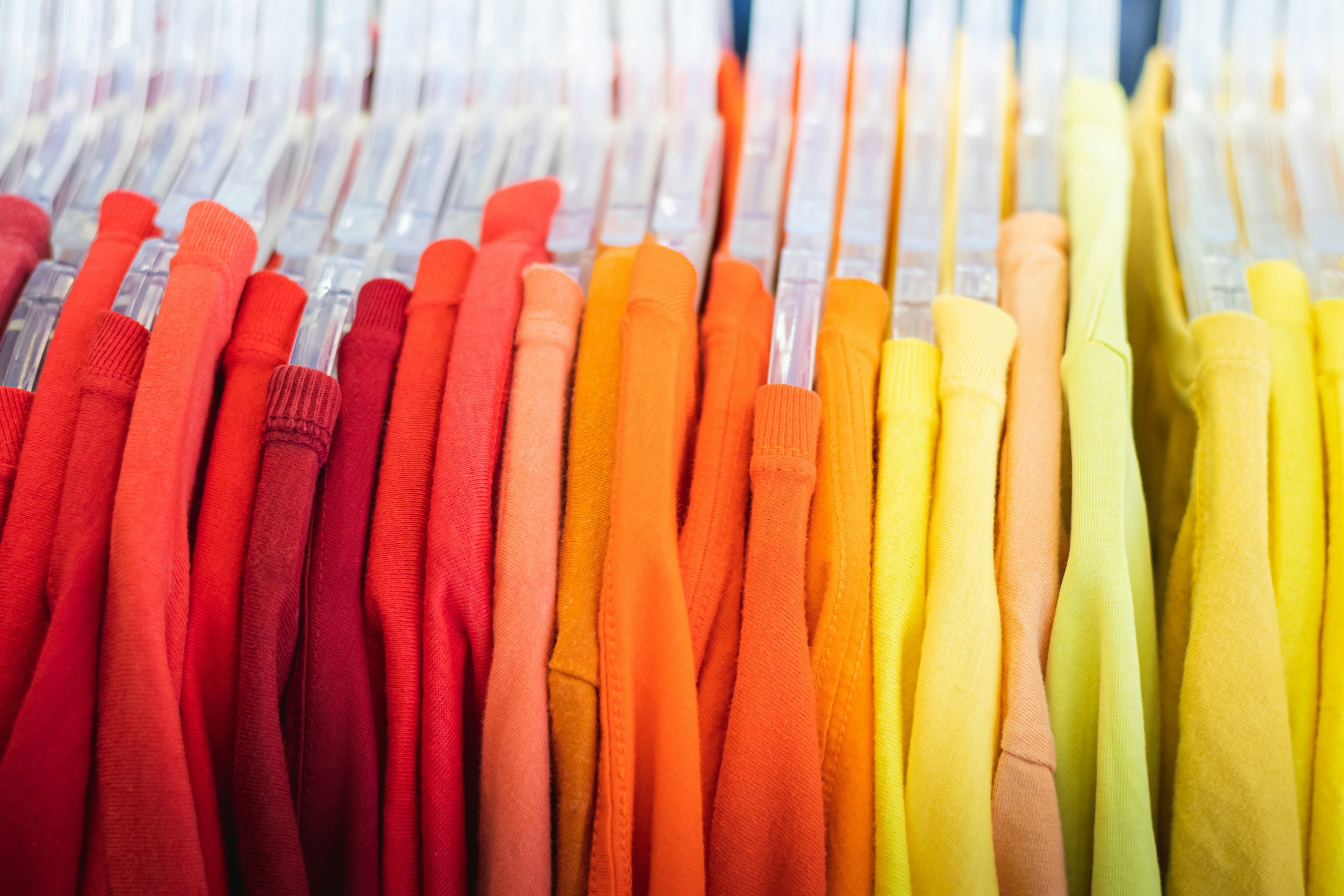
Clothing is often the easiest place to start because the questions are straightforward and the emotional attachment is usually lower (unless we're talking about sentimental pieces—we'll cover those separately).
Questions to Ask About Each Clothing Item:
1. When was the last time you wore this?
If you genuinely can't remember the last time you wore it, that's your answer. It's time to let it go.
Exception: Formal wear, seasonal items (winter coat in summer), or special occasion pieces get a pass—as long as you've worn them within the past year or two.
2. Do you have a reason to wear it in the next six months?
Be honest with yourself. Not "maybe if I go to a fancy event" but actual plans where you'd wear it.
If you live in Southern California and haven't worn that heavy wool sweater in three years, you probably don't need it taking up closet space.
3. Does it still fit?
This is a tough one, but stay with me. If you're holding onto clothes that don't currently fit:
Will it still be in style when you fit into it again?
Will it still be YOUR style?
How long are you willing to store this item?
I'm not saying get rid of everything that doesn't fit right now. But if you're storing three different sizes of jeans "just in case," you're using valuable closet/dresser real estate for clothes you can't wear today.
4. Is this your current style?
If you saw this in a store today, would you buy it? If the answer is no, it's taking up space for clothes you'd actually wear.
Your style evolves. The bohemian maxi dresses you loved five years ago might not match who you are today—and that's perfectly fine.
5. Do you like the way it looks on you?
If you put it on and immediately feel frumpy, uncomfortable, or self-conscious, why keep it? Life's too short to wear clothes that don't make you feel great.
Not "does it fit?" but "do you feel GOOD wearing it?"
6. Is there a memory associated with it?
Some clothes carry emotional weight: your college t-shirt collection, the shirt you wore on your first date, your kids' baby outfits.
For memory-filled clothing:
T-shirt quilts - Turn concert tees, sports jerseys, and school shirts into a usable blanket
T-shirt frames - Display one or two special shirts as artwork
Vacuum bags - Compress baby clothes or sentimental items for compact storage
Totes/ garment boxes/ shadow boxes - Store a small, curated collection (not every single item!)
How long are you willing to store this? If the answer is "forever" and you have space, keep it. If not, consider taking a photo and letting it go.
7. Is it damaged?
Holes, broken zippers, missing buttons, stretched-out fabric... Be brutally honest: Will you actually fix it?
If you've been meaning to sew that button back on for eight months, you're not going to. Either fix it this weekend or donate it.
Tips for Clothes Decluttering:
The Backwards Hanger Trick
Turn all your hangers backward on the rod. As you wear each item, flip the hanger the correct way. After six months, anything still hanging backward clearly isn't getting worn—time to donate!
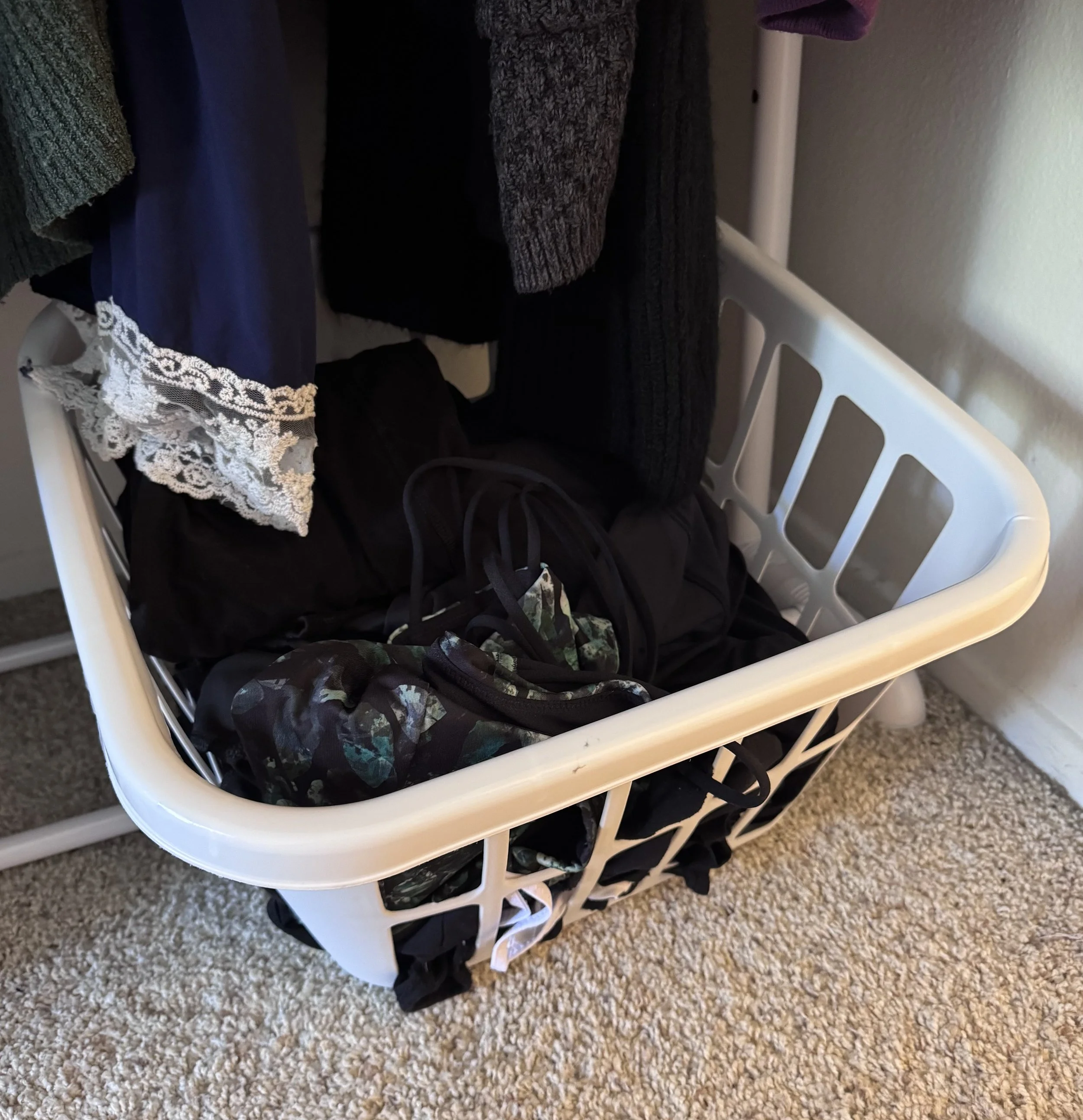
Helpful Tip From My Own Home:
I keep a small laundry basket in my closet specifically for clothes I'm unsure about. When something doesn't fit quite right, I don't love how it looks, or I realize I never reach for it, I toss it in the basket.
Every few months I go through the basket. If I haven't pulled anything back OUT of the basket to wear, it all goes straight to donation. No second-guessing, no "maybe I'll wear it next season." If I didn't miss it in the basket, I won't miss it when it's gone.
What to Do with Clothes You're Letting Go:
Offer to friends or family who might love them
Donate to local thrift stores (Goodwill, Out of the Closet, Salvation Army — Local resources below!)
Repurpose into cleaning rags, art projects, or throw pillows
Sell to consignment shops like Buffalo Exchange (they buy gently used clothes)
Resell online via Poshmark, Depop, Facebook Marketplace, or eBay
Category 2: Decluttering Memorabilia & Sentimental Items
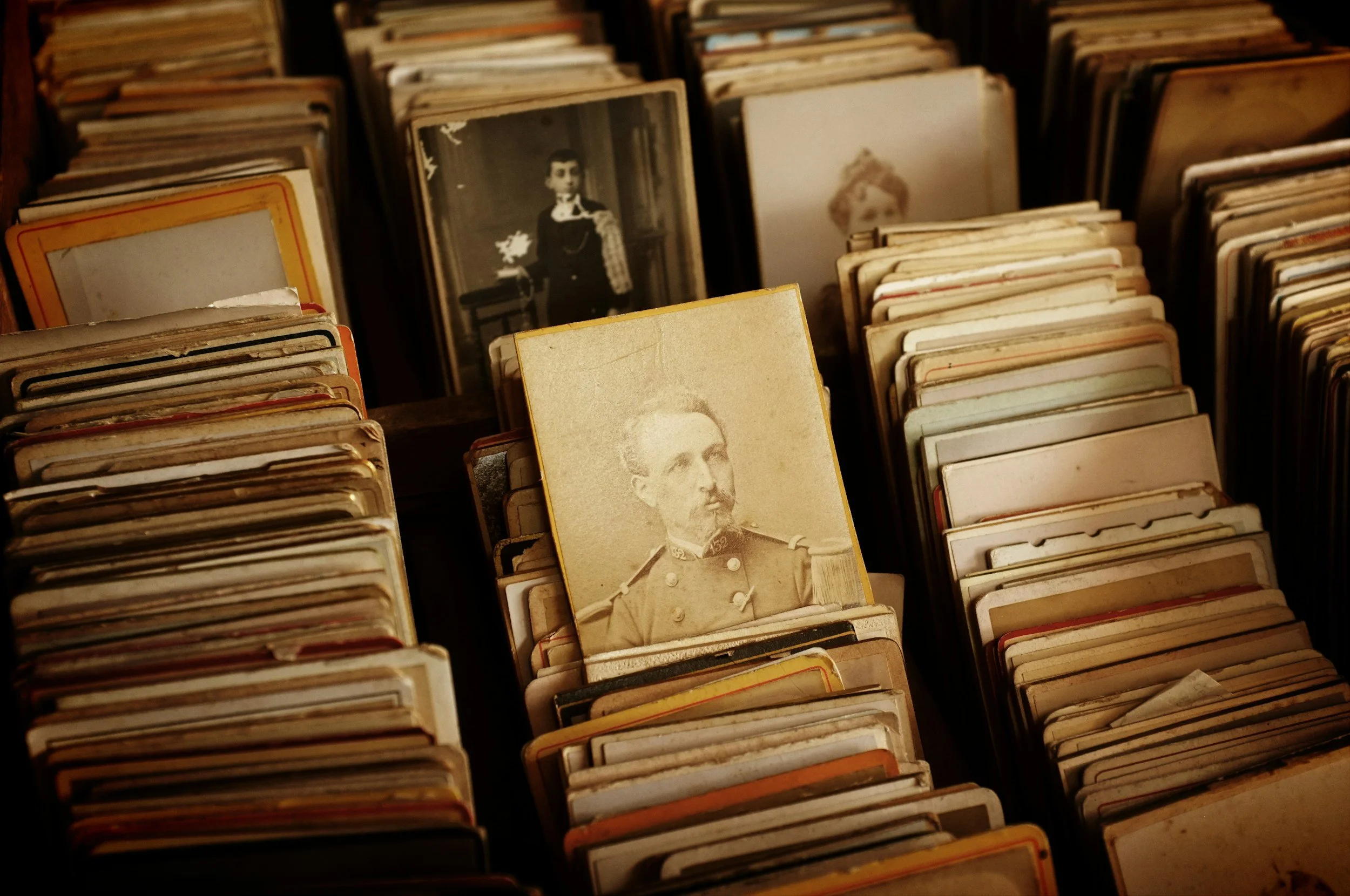
Sentimental items deserve thoughtful consideration—not snap decisions.
This is the hardest category because memorabilia is tied to emotions, memories, family, and identity. Maybe your grandmother passed down her china set that you'll never actually use. Maybe you have boxes of your kids' artwork. Maybe your parents gave you their old furniture, the list goes on.
Questions to Ask About Memorabilia:
1. Do I have a use for this item?
There's a difference between "sentimental and useful" versus "sentimental but just taking up space."
Your grandmother's serving platter that you use every Thanksgiving? Keep it—it's functional AND meaningful.
Your grandmother's 48-piece china set that lives in a box in the garage because you're scared to use it? That's worth reconsidering.
2. When was the last time I used it or looked at it?
If a "treasured keepsake" has been in a box in the attic for five years, is it truly treasured? Or is it guilt?
Sentimental items should be displayed, used, or actively appreciated—not buried and forgotten.
3. If this is tied to a memory, can the object be replaced?
Here's a hard truth: The memory exists in your heart, not in the object.
You can let go of your childhood teddy bear and still cherish the memories of feeling safe and loved as a kid.
Could someone else cherish this more? (A niece might love your old teddy bear)
Can I keep one item instead of all of them? (One baby outfit, not 50)
Can I take a photo of it instead? (More on this below)
4. Am I willing to store this object long-term?
Storage isn't free—it costs space, which costs money (whether it's closet space or a storage unit).
5. How much space are you willing to dedicate to storing things you're not using?
One box of truly meaningful items? Absolutely. Ten boxes of "maybe sentimental" stuff? That's valuable real estate.
6. Do I have an appropriate place to store or display it?
If you can't store it properly (dry, safe, accessible), it will deteriorate anyway. And if it's worth keeping, it's worth seeing! Can you display it so it can actually be appreciated instead of hidden away?
Real-Life Example: The Hideous Candle
My mother displayed a truly hideous candle for years—it belonged to a family friend named Barbara who passed away too young. This pillar candle looked like... let's just say it resembled an anatomy part it definitely shouldn't have… and not the one you’re thinking.
My mom moved it around the house, trying different spots, but it was never her style. Finally, I suggested: "Why don't you burn it in memory of Barbara?"
Now the candle lives on her patio where we actually use and enjoy it. When it burns away, we'll have pictures (many, because I'm immature), good memories of Barbara, and zero guilt.
The lesson: Sometimes honoring a memory means USING the item rather than storing it. The memory isn't in the object—it's in your heart.
7. Do I even know who these people are?
Going through old family photos and don't recognize anyone? It's okay to let those go.
Keep photos of people you knew and loved. Black-and-white photos of strangers can be donated to historical societies or simply discarded.
8. Can I digitize it instead?
This is my favorite tip for sentimental items. Take a photo of the item with your phone, then let the physical object go. You now have a digital version you can look back on anytime without it taking up space or collecting dust.
For larger projects, scan family photos, documents, and certificates into cloud storage or an external hard drive. Create a "Memories" album on your phone to keep everything organized.
What I've digitized:
Kids' artwork (photograph or scan, then recycle the paper)
Old cards and letters
Sentimental objects I want to remember but don't need to keep
Don't want to do it yourself? Professional services can digitize old photos, VHS tapes, film reels, and slides for you.
Category 3: Decluttering Household Items & Random Stuff
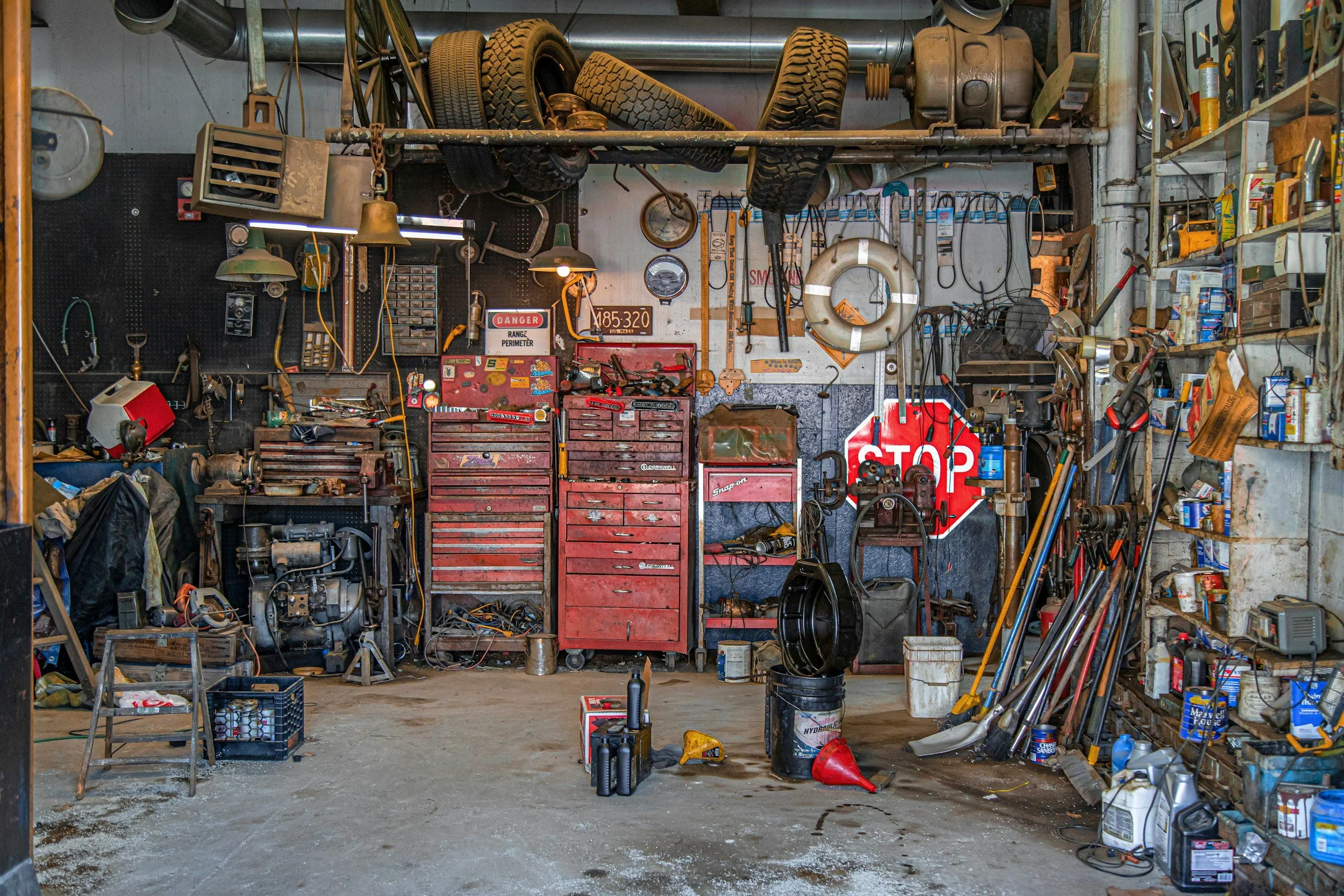
This category includes everything else: kitchen gadgets, tools, toys, books, décor, sports equipment, hobby supplies, and all those random "might need it someday" items.
Questions to Ask About Household Items:
1. When was the last time I used this?
The one-year rule works well here. If you haven't used it in a full year (including all seasons), you probably don't need it.
Exceptions: Emergency supplies, seasonal decorations, sentimental items (covered above).
2. Is this a good place to store this?
Sometimes the item is fine—it's just in the wrong spot!
Before you declutter, ask: Would I use this more if it lived somewhere else?
Example: You never use your waffle maker because it's on a high shelf. Move it to an easy-access cabinet and suddenly you're making waffles every weekend.
3. Can I easily replace this if I need it?
This is the "what if I need it someday?" question. For most things: Yes, you can replace it.
The specialty baking pan you used once five years ago? You can borrow one from a friend or buy another if you suddenly take up cake decorating.
Exception: If replacement cost is genuinely prohibitive (expensive tools, out-of-production items, price gone up significantly), keep it—but only if there's a reasonable chance you'll actually use it. This is smart to consider! Some items genuinely are hard to replace affordably now.
4. What is it for? Am I actually going to use it?
Be honest. That bread maker that's been in the box for two years? You're not going to start making bread.
The exercise equipment collecting dust? If you haven't used it in years, you're not suddenly going to start.
It's okay to let go of the person you thought you'd become and focus on who you actually are.
5. Are any pieces missing? Is it broken?
Board games missing pieces. Toys missing parts. Kitchen appliances missing attachments. If it's not complete and functional, it's just taking up space.
If its broken, will you fix it? If you've been meaning to fix it for months, you're not going to.
Either fix it this weekend or let it go. Recycle or donate it for parts.
6. Could somebody I know use this more than me?
Just because you're done with something doesn't mean it's trash.
Outgrown kids' toys → younger family or friends
Extra kitchen appliances → college student or new homeowner
Sports equipment → local youth programs
Books → Little Free Libraries or schools
7. Does somebody I know own this? Could I borrow it if needed?
This is huge for specialty items you use rarely.
Do you really need to own a power washer you use once a year when your neighbor has one you could borrow? Do you need a full set of camping gear for the one trip you take annually?
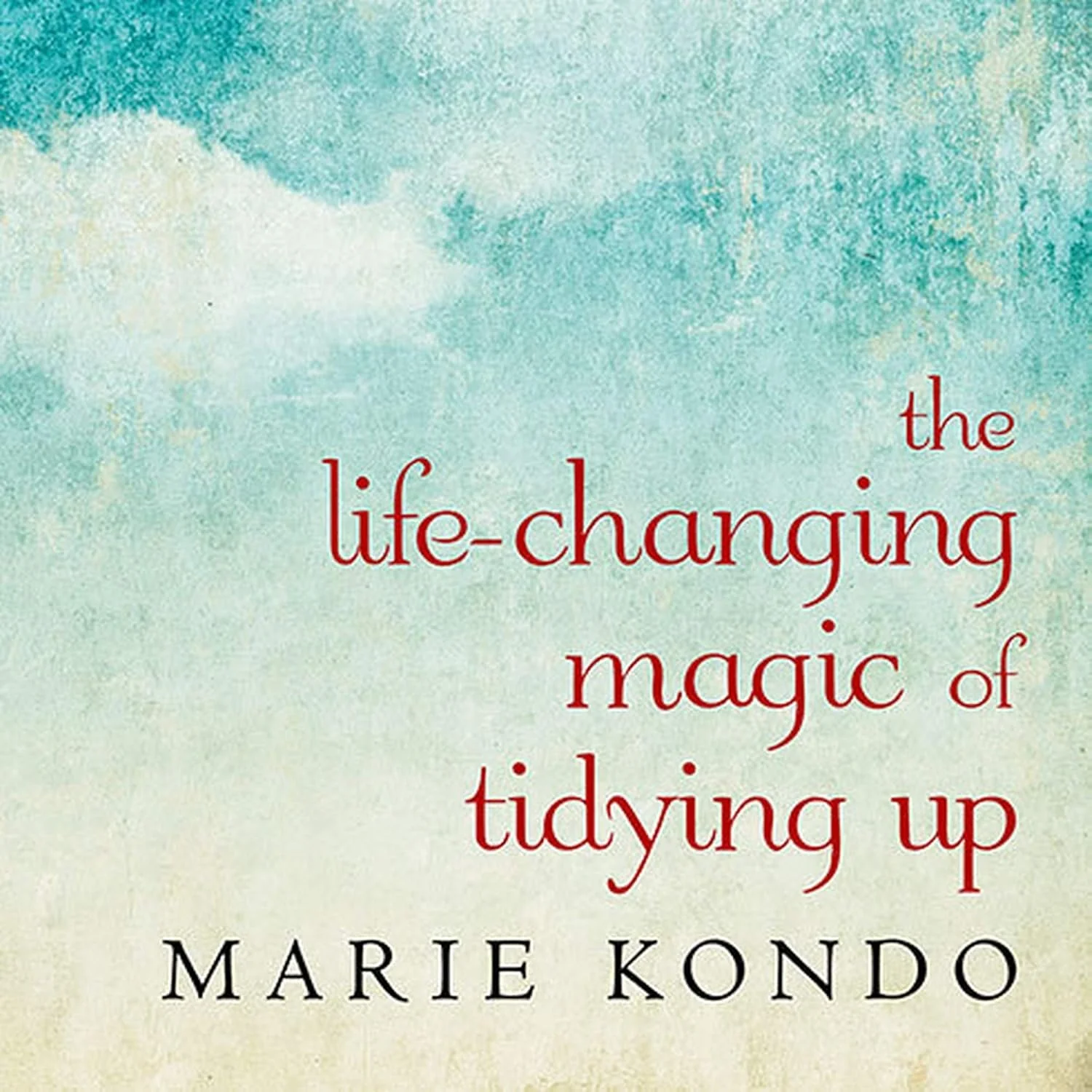
Marie Kondo asks a great question: “Does this item Spark Joy?”
Since watching her Netflix show, I exclusively file fold my pants. If you know, you know.
Learn more at konmari.com
Whole-Home Decluttering Tip: The "Maybe" Container Method
Remember my laundry basket system for clothes? You can apply this same concept throughout your entire home.
How to apply this:
Keep a designated container — a box by the back door, a bin in the closet, a basket in the garage, even a trash bag. Every time you question whether you need something, toss it in your "maybe container."
When the container is full, it's time to sort and decide what to discard.
Why this method works:
Micro-decisions are easier. Instead of agonizing over each item in the moment, you make one quick decision: "Am I unsure about this? Into the maybe box it goes."
It prevents regret. The item is still accessible. If you suddenly need it while the container is filling up, you can pull it back out, find it a proper home, and keep it. But if you haven't reached back into that container the entire time it's been filling up? You clearly don't need it.
It removes the emotional pressure. You're not saying "goodbye forever" in the moment—you're just setting it aside to evaluate later with fresh eyes.
Remember: Decluttering Is Personal
There's no one-size-fits-all rule for what you should keep or toss. These questions are simply guides to help you make decisions that feel right for YOU and your family.
You're allowed to keep things that bring you joy. You're allowed to let go of things that don't serve you anymore. You're allowed to change your mind as your life changes.
The goal isn't a minimalist, magazine-perfect home. The goal is a space that feels calm, functional, and authentically yours.
— Good Vibes & Good Luck, Lindsey 💜
Need Help Making Decluttering Decisions?
I work with families in Santa Clarita and the San Fernando Valley every day, helping them make decluttering decisions without guilt, stress, or second-guessing. Sometimes having an objective third party ask these questions out loud makes all the difference.
Together, we'll sort through your items and create systems that keep clutter from coming back.
Ready to get started? Schedule a free consultation here or call/text 661-228-3456
About violet VENTURES: Lindsey Hanna brings personalized home organization to Santa Clarita and San Fernando Valley families. She believes organization doesn't have to be expensive, perfect, or stressful—it just needs to work for how you actually live. Learn more at violetventures.org.
My Decluttering Confession: The Three Things I've Regretted Letting Go
In all my years of decluttering—both my own spaces and hundreds of client homes—I can only remember regretting THREE things I got rid of. And honestly? They were all replaceable.
1. My mom's original Caboodle from her teen years
I used it for makeup for years, but then I downsized my makeup collection and it was just sitting empty collecting dust. I either donated it or gave it to my niece about six years ago (can't even remember which).
I didn't need it at the time, but I would've liked to repurpose it now for tools or craft supplies. Do I miss it? Sure, but it’s more the nostalgia than the item itself.
2. My knee-high Converse from high school
They were ridiculous and I absolutely loved them. During a random closet purge, out they went without a second thought.
I didn't even realize I'd gotten rid of them until that Halloween when I wanted them for a costume and I couldn’t find them. Did I replace them? Nope. Did I survive? Absolutely.
3. My dad's CD collection
Okay, I technically didn't throw these away— I was decluttering our detached office and had moved a bunch of items outside onto tables to sort through. It rained the next day and damaged everything I'd left out, including a tote full of my dad's CDs.
I only regret this because he brings it up annually to complain that I "got rid of them all." (For the record, Dad, I didn't throw them away—Mother Nature did!) He also hasn’t ever replaced them so did he really need them?
The Point?
In my years of decluttering countless items, I can count my regrets on one hand and I could replace them all.
So go into decluttering without stress or fear. If you haven't needed something in years, you won't need it anytime soon. And we live in a world where pretty much anything we need can be found in a store, online, or borrowed from a friend if we really need it later.
The relief of a clutter-free home is worth way more than the tiny risk of regretting one or two items.
Bonus: The Weirdest (But Effective?) Decluttering Question
I heard this once and haven't been able to un-hear it, so now I'm passing the burden on to you:
“If this item had poop on it, would I clean it or throw it away?"
If it's not worth cleaning, is it really worth keeping?
While I don't personally use this question in my organizing sessions, I have to admit: it cuts through emotional attachment FAST. And honestly? It probably works great for evaluating kids' items—those cheap plastic toys that break constantly? Definitely not worth theoretical poop-cleaning effort.
You're welcome for that mental image. 😂